

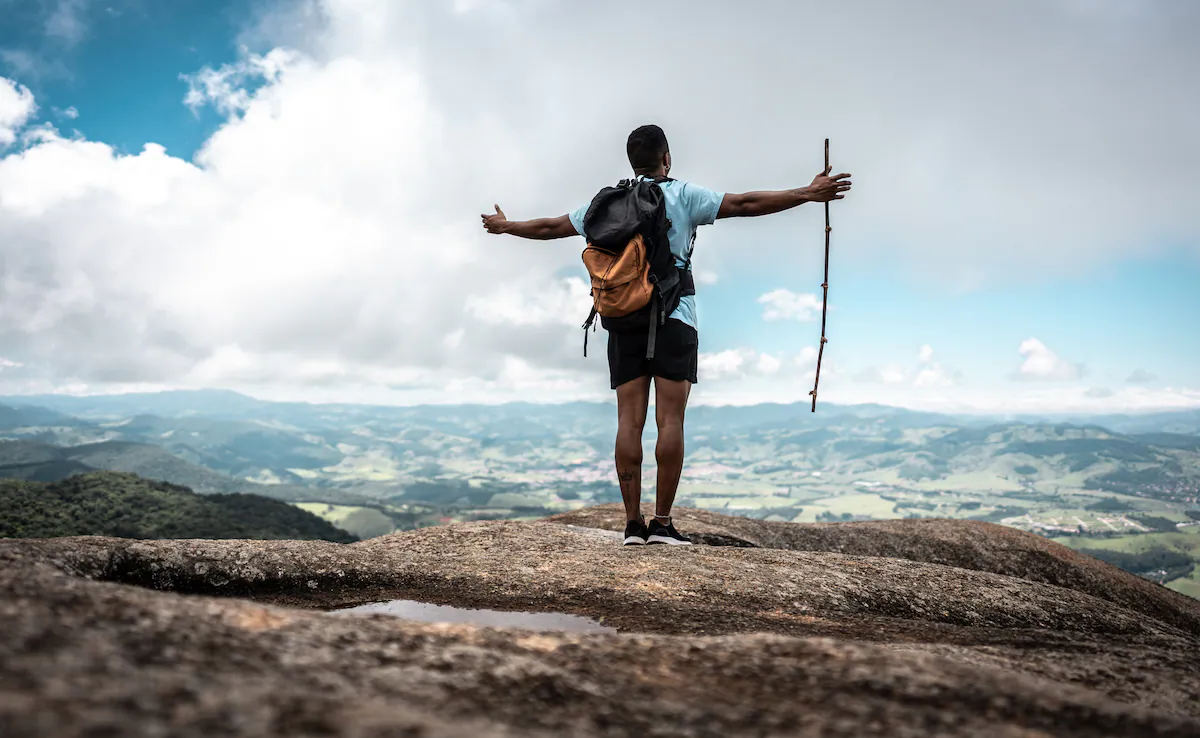
Solo Travel: Discovering the World by Discovering Yourself
Traveling alone is often seen as a bold and sometimes intimidating choice, yet it is one of the most transformative experiences a person can have. Unlike group travel, where decisions, plans, and experiences are shared, solo travel places you entirely in control of your journey, allowing every moment to be shaped by your own preferences, instincts, and curiosity. BrightSparksTravel highlights the beauty of solo exploration—not just as a way to see the world, but as a way to understand yourself more deeply. When you travel alone, every decision becomes intentional, every experience becomes personal, and every memory carries a deeper emotional connection because it is entirely your own.
Solo travel removes the familiar comfort of companionship and replaces it with independence, self-reliance, and awareness. It challenges you to step outside your routine, adapt to new environments, and engage with the world in a more direct and meaningful way. This sense of independence not only enhances the travel experience but also builds confidence and resilience, making each journey not just about discovering places, but about discovering who you are within those places.
Embracing Independence and Freedom
One of the most powerful aspects of solo travel is the freedom it offers. Without the need to coordinate with others, you have complete control over your schedule, your destinations, and your pace. You can wake up early to watch a sunrise, spend hours exploring a single street, or change your plans entirely based on how you feel in the moment. This level of flexibility allows for a more natural and intuitive travel experience, where decisions are guided by curiosity rather than obligation.
This independence also creates a deeper sense of responsibility, as every choice you make directly shapes your journey. From navigating unfamiliar places to managing time and resources, solo travel encourages you to trust your instincts and make decisions with confidence. Over time, this builds a sense of self-assurance that extends far beyond travel, influencing how you approach challenges and opportunities in everyday life.
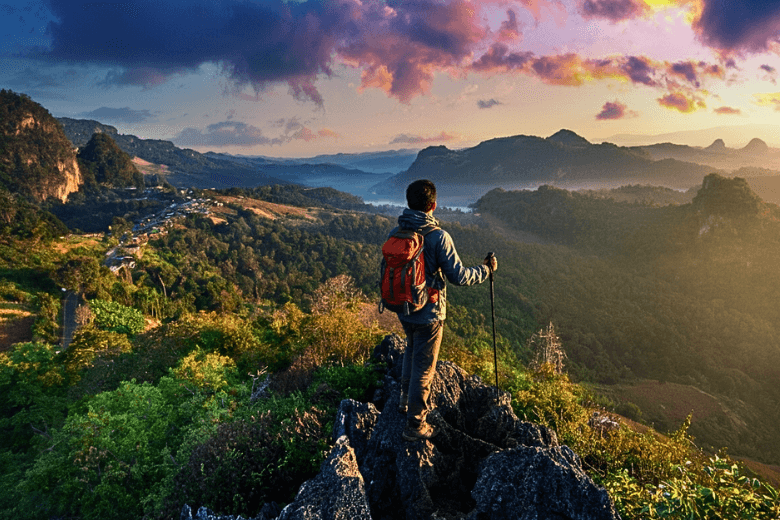
Traveling alone is not about being by yourself—it is about being fully present with yourself.
Building Confidence Through Experience
Solo travel naturally places you in situations that require problem-solving, adaptability, and courage. Whether it is navigating a new city, communicating in a different language, or handling unexpected challenges, each experience contributes to personal growth. These moments may feel uncomfortable at first, but they gradually build confidence as you learn to handle situations independently and effectively.
This confidence comes not from avoiding challenges, but from facing them and realizing your ability to overcome them. Each small success—finding your way, making a decision, or connecting with someone new—adds to a growing sense of capability and self-trust. Over time, this transforms how you see yourself, reinforcing the belief that you are capable of navigating not just travel, but life itself.
Connecting with People in a New Way
Traveling alone often leads to more genuine and spontaneous interactions with others. Without the comfort of familiar company, you become more open to engaging with new people, whether it is fellow travelers, locals, or individuals you meet along the way. These interactions often feel more authentic because they are driven by curiosity and shared experience rather than routine.
Conversations that might not happen in group travel become more natural in solo journeys, leading to meaningful connections and unexpected friendships. These moments add a human element to travel, turning destinations into experiences filled with stories, perspectives, and cultural exchange.
Learning to Enjoy Your Own Company
One of the most profound and transformative aspects of solo travel is learning to truly be comfortable with your own company. In a world where people are constantly surrounded by noise, endless notifications, social expectations, and the presence of others, being alone can initially feel unfamiliar—even unsettling. Many people realize that they have rarely spent extended time with themselves without distraction. Solo travel gently removes that constant external stimulation and replaces it with silence, space, and the opportunity to simply exist without performance or expectation. In that quiet, something begins to shift. You start noticing your thoughts more clearly, understanding your reactions, and becoming aware of what genuinely brings you peace or discomfort.
This solitude is not about isolation or loneliness—it is about presence, awareness, and connection with oneself on a deeper level. When you are alone in a new place, every experience becomes more vivid because there is no one else filtering it for you. The way the light falls on a street, the sound of unfamiliar languages, the feeling of walking through a place without a fixed destination—all of it becomes more meaningful. You begin to appreciate moments without distraction, without the need to share them immediately, and without the pressure to respond to anyone else’s expectations. Over time, this ability to enjoy your own company evolves into something powerful. It builds confidence, emotional independence, and a quiet sense of contentment that stays with you long after the journey ends.
Facing Fears and Growing Beyond Comfort Zones
Solo travel often begins with a mixture of excitement and hesitation, because stepping into the unknown naturally brings uncertainty. Whether it is the fear of navigating unfamiliar streets, communicating in a different language, making decisions alone, or simply being in a place where everything feels new, these moments can feel overwhelming at first. However, it is precisely these challenges that make solo travel such a powerful experience. When there is no one else to rely on, you begin to rely on yourself in ways you may not have before. Every small decision—choosing where to go, how to get there, or how to solve an unexpected situation—becomes an opportunity to build confidence.
Over time, what once felt intimidating begins to feel manageable, and what felt uncertain starts to feel exciting. Each challenge you overcome becomes proof of your resilience and adaptability. Getting lost turns into discovering something unexpected. Navigating a difficult situation becomes a story of growth rather than stress. The unknown slowly transforms from something to fear into something to embrace. This shift in mindset is one of the most valuable outcomes of solo travel, as it changes not only how you experience new places but also how you approach challenges in everyday life. You begin to understand that discomfort is often the first step toward growth, and that stepping outside your comfort zone is where the most meaningful experiences begin.
Creating Deeply Personal Memories
Memories created during solo travel often carry a depth and emotional richness that is difficult to replicate in any other kind of journey. When you travel alone, every moment is experienced entirely through your own perspective, without influence, compromise, or distraction. You notice things more deeply because your attention is not divided. A simple walk through a quiet street, a moment of stillness in a scenic landscape, or an unexpected interaction with a stranger can feel incredibly significant because it is experienced fully and consciously. These are not just moments you remember—they are moments you feel.
This level of presence creates memories that are not just about places, but about transformation. You remember how you felt when you overcame a fear, how you adapted to something unfamiliar, and how you discovered parts of yourself that you may not have known before. These experiences become deeply personal stories—stories of independence, courage, curiosity, and growth. Long after the journey ends, these memories stay with you, shaping your confidence, your perspective, and the way you engage with the world. They are not just recollections of travel, but reflections of who you became during that journey.
Conclusion
Solo travel is far more than simply exploring new destinations—it is a journey that moves inward as much as it moves outward. It challenges you to step away from familiarity, to face uncertainty, and to navigate the world on your own terms. In doing so, it reveals strengths you may not have recognized and builds a sense of confidence that extends far beyond travel. It teaches you to trust yourself, to embrace independence, and to find comfort in your own presence. These lessons do not end when the trip ends—they become part of how you approach life itself.
BrightSparksTravel encourages you to embrace the idea of traveling alone not as something intimidating, but as something deeply empowering and enriching. It is not about being alone in the world, but about connecting more deeply with it—and with yourself. Because sometimes, the most meaningful journeys are not the ones shared with others, but the ones that allow you to truly discover who you are when you step into the world on your own.
Leave a Reply