

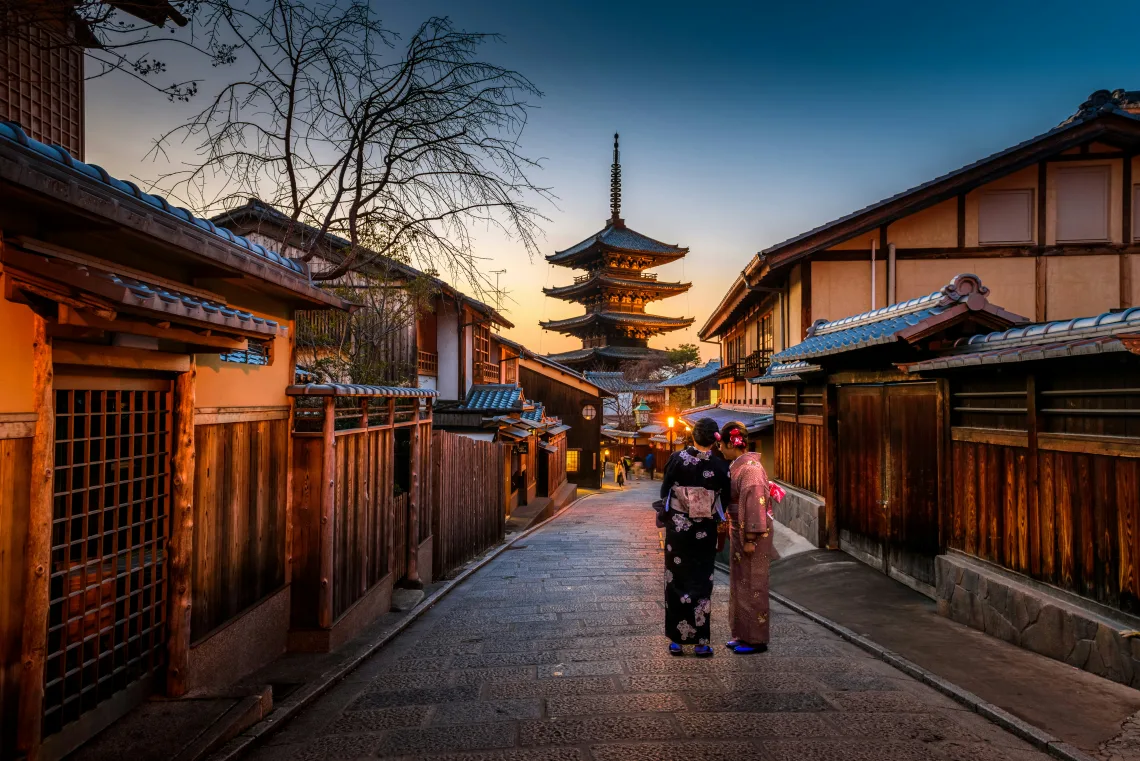
Cultural Travel: Experiencing the Soul of a Destination
Travel is often associated with places—cities, landmarks, landscapes—but at its deepest level, it is about people, traditions, and stories. Cultural travel goes beyond sightseeing and invites you to step into the rhythm of a destination, to understand how people live, what they value, and how their identities are shaped over time. Instead of observing from a distance, it encourages participation, curiosity, and respect. BrightSparksTravel highlights cultural travel as a way to connect more deeply with the world, transforming journeys into meaningful experiences that go far beyond photographs and itineraries. When you engage with a culture, you begin to see a place not just as a location, but as a living, evolving story.
This form of travel shifts your perspective. It allows you to move away from surface-level experiences and into something more immersive and enriching. From local traditions and cuisine to art, language, and everyday routines, culture reveals the essence of a place in ways that no guidebook can fully capture. The more you open yourself to these experiences, the more travel becomes not just something you do, but something you feel and understand on a deeper level.
Understanding Traditions and Heritage
Every destination carries a history that shapes its present, and cultural travel allows you to explore that connection in a meaningful way. Traditions, festivals, architecture, and customs are not just attractions—they are reflections of generations of stories, beliefs, and values. When you take the time to understand these elements, you begin to appreciate the depth and richness of a place beyond its visual appeal.
Whether it is witnessing a local festival, visiting historical sites, or observing everyday rituals, these experiences create a bridge between the past and the present. They offer insight into how communities evolve while still preserving their identity. This understanding adds depth to your journey, making each place feel more meaningful and connected rather than just another stop on a map.
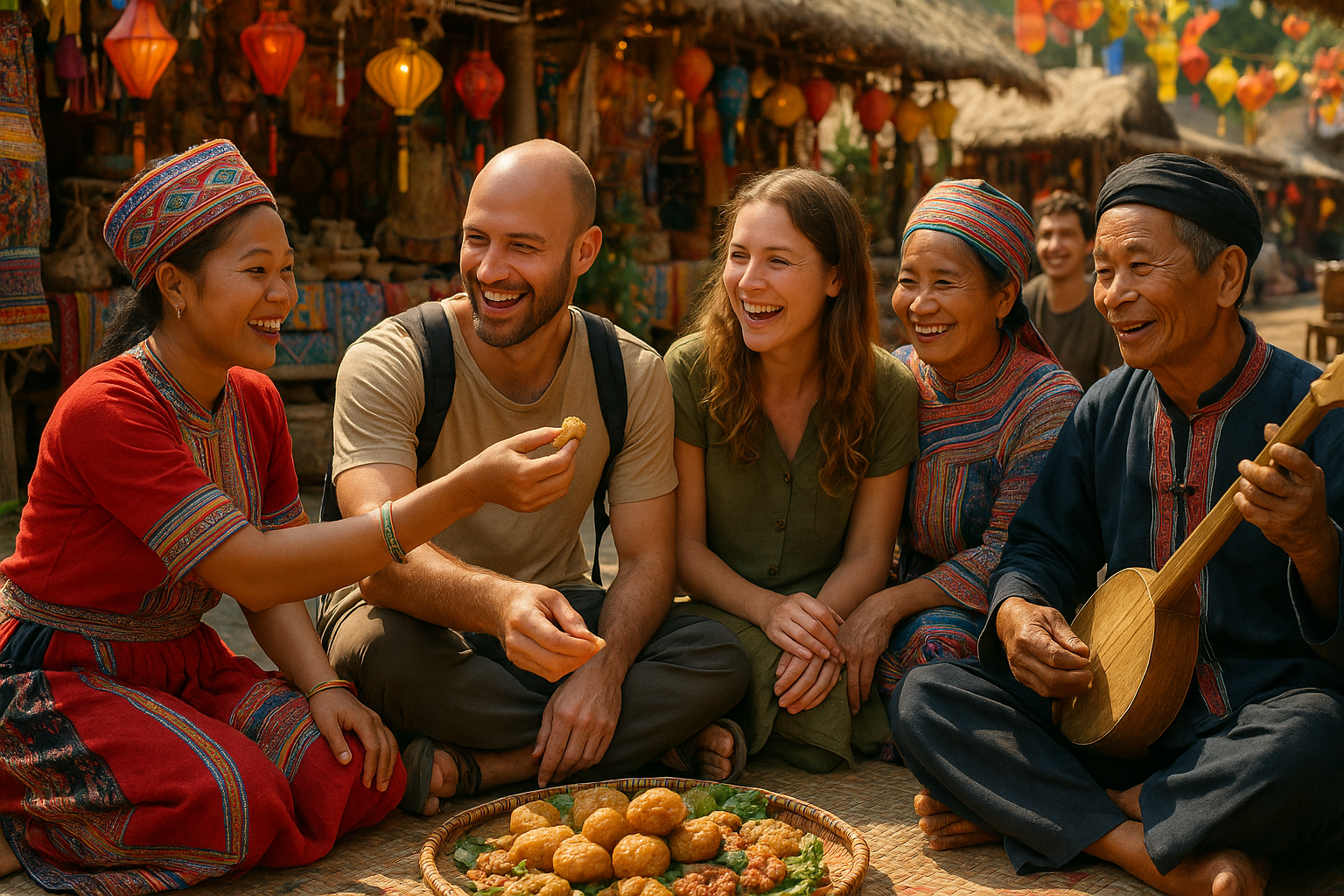
To truly know a place, you must experience the people, not just the sights.
Connecting Through Local Experiences
One of the most rewarding aspects of cultural travel is the opportunity to connect with people on a human level. These connections often happen in simple, unplanned moments—a conversation with a local vendor, sharing a meal, or participating in a community activity. Such interactions create a sense of belonging, even if only for a short time, and allow you to see the world through someone else’s perspective.
These experiences remind you that, despite cultural differences, there is a shared human connection that transcends language and geography. They turn travel into something personal and emotional, where the memories you carry are not just of places, but of people and the stories they shared with you.
The Role of Food in Cultural Exploration
Food is one of the most powerful expressions of culture, offering a direct and sensory way to understand a place. Every dish carries history, tradition, and identity, reflecting the region’s environment, resources, and influences. Trying local cuisine is not just about taste—it is about experiencing a culture through its flavors, techniques, and traditions.
From street food to traditional meals, each experience provides insight into daily life and local customs. Sharing food also creates moments of connection, bringing people together and creating memories that go beyond the plate. It is through these simple yet meaningful experiences that cultural travel becomes deeply immersive.
Respecting and Preserving Culture
Cultural travel comes with a responsibility to respect and preserve the traditions and environments you encounter. Being mindful of local customs, traditions, and values ensures that your presence has a positive impact rather than a disruptive one. Respect is shown through small actions—understanding cultural norms, supporting local businesses, and approaching every experience with curiosity rather than judgment.
When travelers engage responsibly, they contribute to the preservation of cultural heritage and support communities in meaningful ways. This creates a more sustainable and respectful form of travel, where both visitors and locals benefit from the exchange.
Conclusion
Cultural travel transforms the way you experience the world by shifting the focus from places to people and from observation to connection. It allows you to understand destinations on a deeper level, appreciate diversity, and build meaningful experiences that stay with you long after the journey ends.
BrightSparksTravel encourages you to explore cultures with curiosity, respect, and openness. Because when you travel not just to see, but to understand, every destination becomes more than a place—it becomes a story you carry with you forever.
Leave a Reply